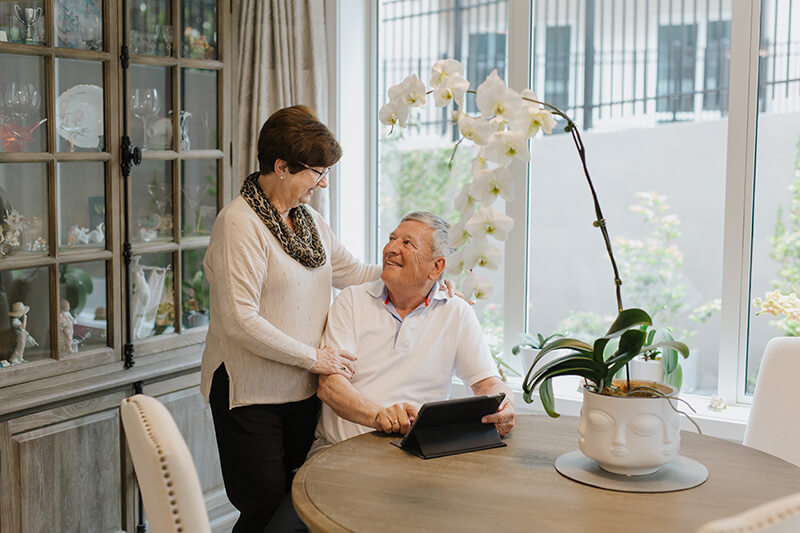


Retirement usually brings a welcome sense of freedom, yet it can also come with unexpected pockets of boredom. If you’ve ever wondered, “Do people get bored in retirement?” you’re not alone. This guide offers practical ideas to help you stay mentally, socially, and physically engaged – in short, what to do if you’re retired and feeling bored.
Why boredom happens in retirement
The shift from work to open-ended free time is a big life transition. It’s common to notice a loss of routine and structure, and some people find their identity and purpose feels less clear. You may not particularly miss working, but you might miss the rhythm of busy days, the social contact, or the sense of contribution that work once provided.
If you’re scared of being bored in retirement before it even begins, that’s normal too. Anticipating change can stir up uncertainty which often makes people feel a little uneasy.
The good news is that boredom (or the fear of boredom) is a signal, not a verdict. With a few intentional choices, you can build a new rhythm and identity that fits who you are now. So, to answer the question, do people get bored in retirement? The answer is sometimes yes – especially early on – but it doesn’t have to last.
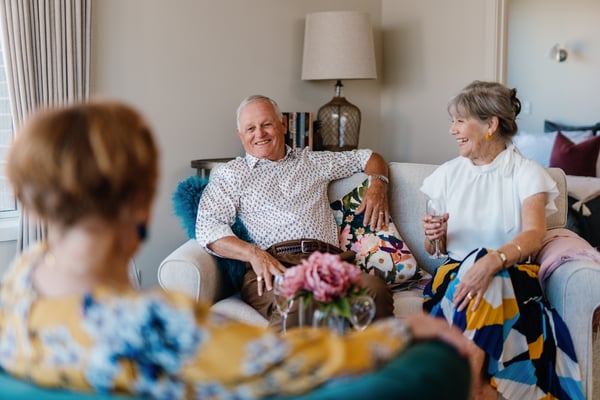
Signs you’re getting bored in retirement
Do you have any of the following signs? Becoming aware of them near the beginning of your retirement means you can make changes early:
- Lack of motivation – putting off tasks or feeling aimless
- Too much screen time – defaulting to TV, scrolling, or playing online games
- Loss of interest in hobbies – things you used to enjoy feel flat and it’s hard to get started
- Social withdrawal – fewer calls, catch-ups, or outings
If one or more of these resonate, fear not. Most of the time boredom is simply a prompt that it’s time to seek more meaningful activities and routines.
How not to be bored in retirement: practical strategies
If you’re wondering how not to be bored in retirement, the answer is to build a mix – a little movement, meaningful connection, and a new challenge or two. You may already have tried some of the suggestions below and found they are not for you. If that’s the case, try something else. You might discover an unexpected interest!
It may take a few tries to figure out what you really enjoy, especially if you’ve had a busy career or family that took up most of your time and energy. Another potential pitfall is assuming you’ll enjoy a certain activity because other people in your life do – but just because other people enjoy something it doesn’t mean you will. This is your chance to discover your own true preferences.

Try something new – or old
- Take a class. Learning something new can boost your confidence and spark fresh interests. Maybe try art, languages, music, woodworking, or car maintenance. Get in touch with local educational providers to see what options are available.
- Volunteer. From mentoring and community support to environmental or conservation projects, there will be an organisation or good cause that would love your skills and assistance.
- Say yes to group activities. Walking clubs, choirs, trivia nights, craft circles, sports clubs – anything you’re interested in that brings people together and gets you out of the house.
- Rediscover or reinvent your hobbies. Dust off your long-parked interests and try the things you never had enough time for. If you’re not sure what you’re interested in, think about what you enjoyed when you were a child or teenager, before adult life took over.
-min.jpg?width=1620&height=1080&name=RizeUp%20Australia%20-%20Ryman%20Christmas%20Donation%20-%20Nellie%20Melba%20-%20Dec%202025-32%20(Large)-min.jpg)
Finding purpose and joy through helping others
Ryman residents wholeheartedly embraced the RizeUp charity’s Christmas Gift Appeal, even landing a spot on Channel 7’s News programme to talk about it.
“The village teams have said there’s been a real buzz in the air, and the residents have loved getting involved, working together and giving back to their community,” says team member Cathy.
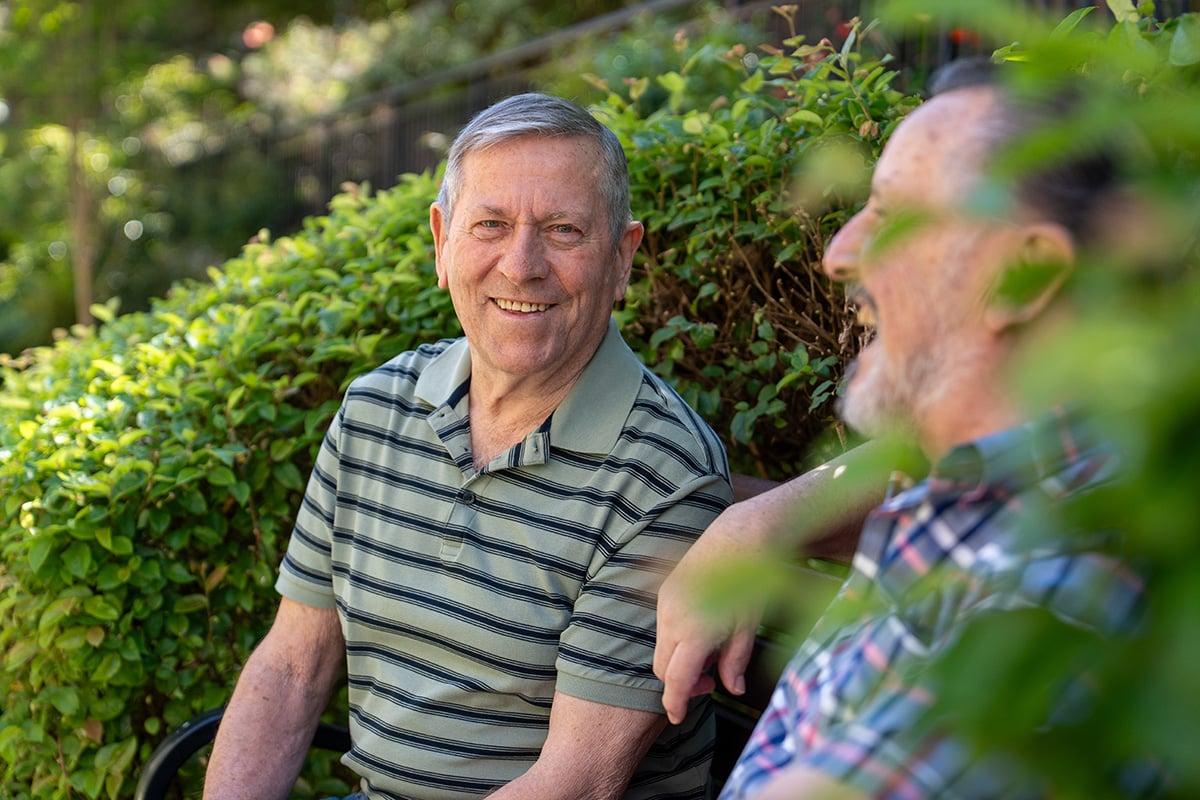
Staying connected
It can sometimes take a bit of effort to stay connected with others, but the rewards are worth it. Spending time with people whose company you enjoy can have a positive impact on your mental health, increase happiness, and open up new opportunities in life such as new interests or activities. Friends and family can also be a valuable source of emotional support in harder times.
- Organise regular time with family and friends. Set up a weekly coffee date, a monthly shared dinner, or a standing games night. Don’t just say you’ll catch up – put it in the calendar. When it’s scheduled, it’s far more likely to happen.
- Get involved in your local community. Reach out to libraries, community centres, and local interest groups to find out what activities or volunteer roles are available.
- Physical proximity to others makes staying connected much easier. If you’re feeling a bit isolated, the built‑in social life of a retirement village can make a real difference – neighbours get to know each other, and there’s always something happening.
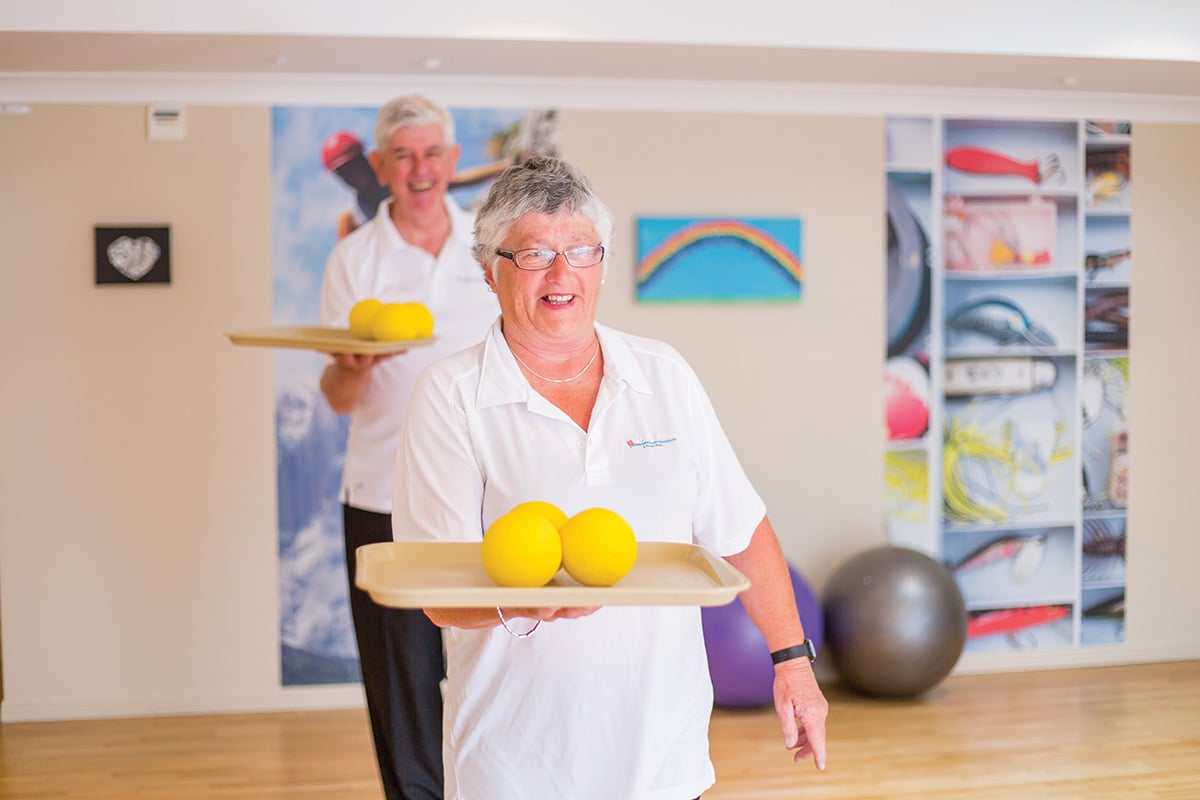
Prioritise movement
- Whether you feel like doing it or not, staying active is one of the most effective ways to lift your mood, boost energy, and keep your body strong throughout retirement. Exercise doesn’t have to be intense or difficult; it just needs to be regular and fit into your lifestyle.
- If you’re new to exercising, start with gentle options such as walking groups, yoga, tai chi, swimming, or low‑impact fitness sessions. These activities support mobility, balance, and relaxation without placing too much strain on your joints. It’s also a good idea to check with your doctor before starting any new exercise program.
- Mix in strength, balance, and flexibility exercises to support overall wellbeing. Simple routines using weights, resistance bands, and body‑weight movements can help maintain muscle mass, improve stability, and reduce the risk of falls.

Unusual things to do in retirement
Looking for what to do when retired and bored? Check out the list below for some inspiration.
- International house swap. Live like a local and explore new destinations from a neighbour’s point of view. There are several websites that help facilitate this.
- Volunteer vacations. Combine travel with meaningful conservation or community work.
- Historical reenactments. Step into another era with costumes, events, and traditional skills.
- Write fanfiction or start a niche blog.
- Pursue a degree in a field completely unrelated to your former career. Now you can study purely for the joy of learning.
- Start a retirement podcast or YouTube channel.
- Create miniature train landscapes or dollhouses. These are intricate, creative, and absorbing for detail‑lovers.
- Contact your local state or territory park service to see if you can help build traps for pests or shelters for endangered wildlife.

Life at Ryman: a retirement lifestyle designed to inspire
Ryman retirement villages make it easier to stay social, stimulated, and supported every day, with well-designed amenities and a full calendar of activities to choose from and meet others who share your interests. Some examples of what you can do at a Ryman village include:
-
Art classes and creative workshops
-
Regular outings to cafés, galleries, local markets, and scenic trips
-
Intergenerational programs with local schools and community groups
-
Interest groups such as book clubs, music sessions, sporting groups, games, and more
-
Wellness amenities and programs such as walking groups, swimming pools, gyms, exercise classes, dance classes and more.
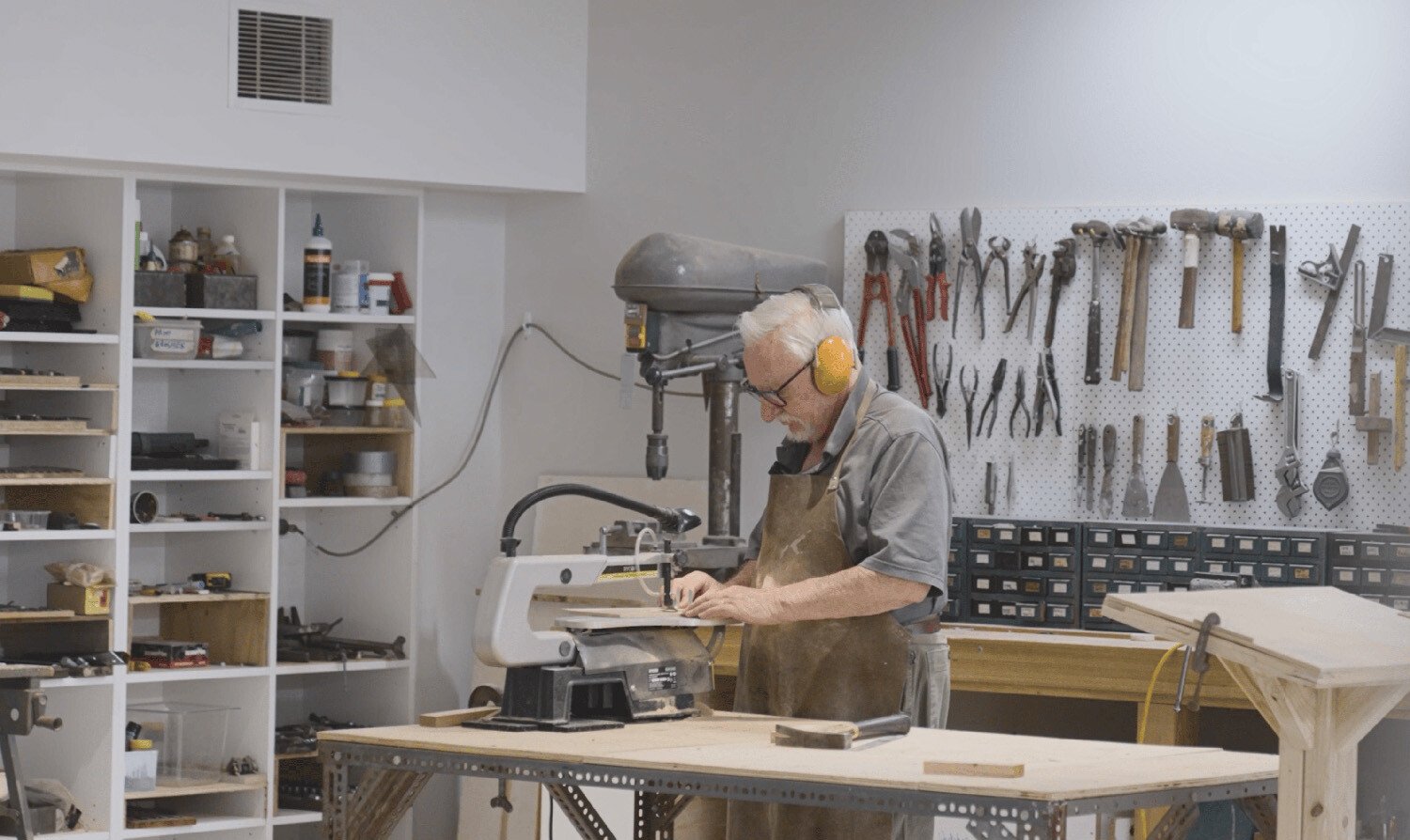
Brian's blueprint for an epic retirement
Ryman resident Brian's story is a testament to the power of purpose in retirement. Around the village he’s known as “Mr Fix-it,” always ready to lend a hand.
“I’ve made Christmas trees, Easter eggs, bunny rabbits, chooks, and hearts for residents in aged care and dementia care to decorate. I also built fiddle boards and a hammer set – these are things they can interact with safely. As long as I’m busy, I’m happy,” says Brian.
Frequently asked questions
Overcome retirement boredom with Ryman
Feeling bored in retirement is quite common, but it’s also highly solvable. With the right mix of activity, connection, and support, your days can feel purposeful and full again.
Ready to live a retirement full of purpose? Discover how Ryman Healthcare can help you thrive. To learn more about independent living, assisted living, and care options, visit your nearest Ryman village or call 1800 288 299.
by Christine McCurdy | Feb 4, 2026
How to have an epic retirement

Best places to retire in Australia