


If you know someone who is living with dementia, you may have noticed them going through sleep-related changes. These changes can develop gradually or quite suddenly, seem out of character for the person, and cause emotional distress for loved ones.
Understanding why this happens – and which stages of dementia are most linked to increased sleep – can help families and caregivers feel more prepared if it occurs.
What this means for you
What this means for you is a clearer sense of what to expect, so you can respond with confidence and the right level of support.
Why do people with dementia sleep a lot?
Some reasons why people with dementia sleep a lot include:
- Changes in the brain’s sleep-wake cycle: Dementia affects the brain’s ability to regulate circadian rhythms, sometimes leading to confusion between day and night. This can result in excessive daytime sleepiness or fragmented sleep at night.
- Side effects of medications: Some medications used to manage dementia symptoms or related conditions (like anxiety or agitation) can cause drowsiness or fatigue.
- Depression or social withdrawal: People living with dementia may experience depression or a lack of motivation, both of which can lead to increased sleep or inactivity.
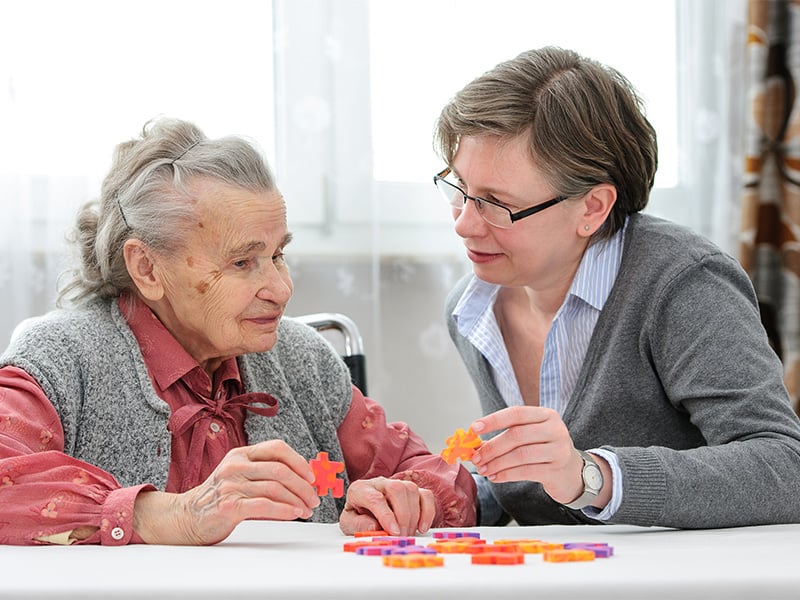
- Reduced stimulation: A lack of physical or mental activity can contribute to fatigue and more time spent sleeping. Simple games can help to support memory, lift mood, and increase social connection.
While some changes in sleep are to be expected, the sudden onset of greatly increased or reduced sleep or day-night reversal should be discussed with a healthcare professional.
What stage of dementia is sleeping a lot most common?
Sleeping a lot is most common as dementia progresses. People living with dementia often become less physically active and more withdrawn as the brain becomes less able to manage basic functions, including wakefulness and alertness.
In advanced stages, people might:
- Sleep for most of the day and night
- Be less responsive or alert when awake
- Show reduced interest in surroundings or activities
Their brain is finding it more difficult to process stimuli and cope with noise, leading to increased fatigue and longer sleep periods. At this stage, they often sleep more during the day due to these significant changes in brain function and reduced physical strength.
Vascular dementia and excessive sleeping: What’s different?
Vascular dementia, caused by reduced blood flow to the brain (often due to strokes or small vessel disease), can affect sleep differently than Alzheimer’s disease.
People with vascular dementia may experience:
- Intermittent fatigue due to changes in areas of the brain responsible for alertness
- Interrupted sleep from physical discomfort or other health conditions
- Daytime sleepiness linked to poor nighttime rest
Because vascular dementia often coexists with other health issues like heart disease or diabetes, sleep disturbances may be more complex and require a tailored care approach.
In contrast, Alzheimer’s disease tends to cause a gradual and progressive decline in cognitive function, often accompanied by increased daytime sleepiness as the disease advances. This sleepiness may become more persistent over time, especially in the later stages, as the brain’s ability to regulate sleep-wake cycles deteriorates.
Should you let a person living with dementia sleep all day?
This is a common question that people ask. While rest is important, letting a dementia patient sleep all day in the earlier stages of the disease can disrupt their sleep-wake cycle and contribute to day night reversal. This can be stressful and draining for family members and caregivers who must also cope with less sleep at night. Instead, try:
- Encourage light daytime activity, such as short walks, music, or simple games
- Maintain a consistent daily routine to support natural rhythms
- Ensure the environment is calm, especially in the evening. Keep events such as big family gatherings to a minimum as the noise level and activity can become overwhelming
- Maximise exposure to natural light to help maintain day–night cues.
- Ensure rooms are evenly lit at night to reduce shadows, which can cause distress.
- Avoid glare and reflections by using matte surfaces and diffused light sources.
In Australia there are a number of support services for the elderly which may helpful for people living with dementia and their families.
Dementia, sleeping a lot and not eating: What it could mean
If someone with dementia is sleeping a lot and not eating, it may be a sign of end-stage dementia, but it could also be due to:
- Side effects of medications
- Delirium
- Dehydration
- Depression or low mood
- Medical issues like infections, dehydration, or constipation
This combination of symptoms should always prompt a medical review. In some cases, it may indicate the need for palliative care or a change in the care plan.

At what stage do Alzheimer’s patients sleep a lot?
Sleep patterns evolve over time across the stages of Alzheimer’s disease, as the brain loses its ability to regulate rest and wakefulness. While sleep difficulties can begin at any stage, excessive daytime sleeping is most common in the late stage of Alzheimer’s.
- Early stage: People may experience insomnia, restlessness, or frequent waking. Sleep may be lighter, more fragmented, and interrupted by frequent nighttime awakenings. Some people may start napping more during the day.
- Middle stage: Fatigue increases, and naps become more common. The person may feel drowsy during the day but struggle to sleep at night. They may also experience sundowning, feeling confusion and agitation in the late afternoon and evening.
- Late stage: The person may sleep for most of the day and night, for up to 14-16 hours a day, due to widespread brain degeneration affecting their body’s internal clock and reducing their energy levels.

End-stage dementia: sleeping all the time
In the final stage of dementia, it’s common for people living with dementia to become mostly unresponsive and sleep nearly all the time. This is a natural part of the body’s decline. Families may find this time emotionally challenging but knowing what to expect can help ease the journey.
At this stage, the focus shifts to:
- Comfort and dignity: Repositioning regularly, using pressure-relieving cushions, and applying soothing lotions help maintain comfort and dignity
- Hydration and gentle care: Offering small sips of water or ice chips to prevent dryness and discomfort, without forcing fluids.
- Soft, easy-to-swallow foods: If they will eat, providing pureed or soft foods that are safe, soothing, and easy to swallow.
- Emotional presence: Sitting with the person, holding their hand, playing their favourite music, or reading aloud can offer comfort when verbal communication is no longer possible.
Understanding why people with dementia sleep a lot helps families provide better care
While it can be worrying to see a loved one with dementia sleep more than usual, it’s often a natural part of the condition’s progression. By understanding the reasons behind these changes, families can feel more confident in the care their loved one is receiving.
Getting the right support makes a significant positive difference. Ryman offers dementia-specific living options that are designed to meet the evolving needs of people living with dementia. Our approach centres on dignity, compassion, and quality of life at every stage of dementia.
Get some support
If you’d like to speak with our team to get some advice and support, please contact us by calling 1800 314 425 or send us a message and we’ll get in touch.

FAQs
What are four common behaviours that people with dementia often exhibit?
As dementia progresses, changes in brain function can lead to changes in behaviour. Understanding these behaviours can help caregivers respond with empathy and appropriate strategies.
People with dementia often show:
- Agitation – restlessness or irritability, often triggered by confusion or discomfort. Calm reassurance, a quiet environment, and familiar routines can help reduce this.
- Confusion – especially in unfamiliar environments or during transitions. Gentle reminders, visual cues, and structured routines can help maintain a sense of stability.
- A need to walk – the urge to walk is common, but the person may become disoriented about where they’re going. They may no longer recognise their own home and want to walk to another house – often one from their childhood. It’s important to understand their personal history and where they feel most secure. Some ways to support safe walking are making sure the environment is secure, using discreet tracking devices in clothing, walking with the person regularly, or joining a walking group for people living with dementia.
- Repetition – repeating words, questions, or actions due to memory loss. Instead of correcting them, offer reassurance and use tools like calendars, clocks, or written notes to remind them. Creating a structured daily routine can also help reduce confusion. Caregivers and family also need to look after themselves and take breaks, as managing repetition can be emotionally very tiring.
What are signs that dementia is getting worse?
Signs of dementia progression include:
- Increased memory loss or confusion
- Difficulty with communication
- Reduced mobility or coordination
- Changes in sleep or eating habits
- Withdrawal from social interaction
These changes may signal a need for more intensive care or support.

What are the 7 stages of dementia?
The seven-stage model of dementia includes the progression of cognitive decline from normal functioning to very severe impairment.
Stage 1 – No impairment: The person shows no signs of memory loss or cognitive impairment, and day-to-day functioning is normal.
Stage 2 – Very mild decline: Minor memory lapses such as forgetting names or misplacing items can occur. These changes are often dismissed as normal ageing.
Stage 3 – Mild decline: Friends and family may notice the person struggling with word recall, organisation, or remembering appointments.
Stage 4 – Moderate decline: Clear signs of cognitive impairment are displayed. The person may forget recent events, struggle with tasks like managing finances, and withdraw socially. This is the stage where a formal dementia diagnosis is often made.
Stage 5 – Moderately severe decline: The person begins to require help with daily activities. They may forget personal details such as their address and phone number and become confused about where they are.
Stage 6 – Severe decline: Memory loss worsens significantly. The person may forget the names of close family members, need help getting dressed and bathing, and experience significant changes in their sleep patterns and personality. Symptoms like agitation or wandering may appear.
Stage 7 – Very severe decline: In the final stage, the person loses the ability to communicate, walk, or control bodily functions. They need full-time care and assistance.
If you’d like to know how Ryman can help you or a loved one living with dementia, please contact us by calling 1800 314 425 or send us a message and we’ll get in touch.
by Christine McCurdy | Dec 9, 2025

Sleep and insomnia in older adults

The real cost of retirement villages