
Deciding how – and where – to receive support later in life is seldom just a financial decision. For many Australians, comparing in-home care vs assisted living costs brings up emotional considerations as well as financial ones: staying independent, feeling safe, maintaining dignity, and wanting to reduce the burden on family.
It’s important to be able to make an informed choice. In this guide, we compare the benefits and costs of in-home care and assisted living in Australia.
What’s the difference between in-home care and assisted living?
Before comparing costs, it helps to understand what each option typically involves.
In-home care
Care services delivered in your own home, ranging from help with housekeeping and meals to personal care, nursing support, or round-the-clock assistance.
Assisted living
Purpose‑built accommodation within a retirement village or care community, offering private living with daily support, meals, social activities, and access to care as needed.
How much does assisted living cost in Australia?
Average cost of assisted living
-
An entry payment to purchase the right to occupy your home in a retirement community.
-
A deferred management fee (DMF), which is your contribution to the continued maintenance and management of the village, including your unit and village amenities. Often referred to as a departure fee or exit fee, the DMF is an amount that becomes payable when you permanently vacate your home in the village.
-
A weekly fee covering services that you opt to receive such as meals, housekeeping, and personal care. This may be a fixed or indexed weekly fee. Fixed fees may be significantly higher to begin with, but they stay fixed over time. Indexed fees are generally lower and gradually increase in line with annual increase in the Consumer Price Index.
-
You may pay a service fee for additional services you receive.
Assisted living Melbourne cost
In Melbourne, pricing is typically at the higher end of the national range. Some of the drivers of higher metropolitan pricing include:
-
Higher property and development costs
-
Staffing availability and wages
-
Demand for premium amenities and locations
Melbourne providers often offer excellent lifestyle facilities, healthcare access, and transport connections along with the benefits of living in a city named the world’s best in 2026 – all factors that contribute to overall value and quality of life in retirement.
This also means that people selling a family home in Melbourne are likely to free up a lot more capital to purchase a unit in a retirement village, and still have a significant sum left over.
What does it cost to buy an assisted-living apartment?
To see the cost of specific assisted-living apartments in a Ryman village near you, visit Find a Village to view prices for homes that are available now.
Find a village in the Bellarine Peninsula
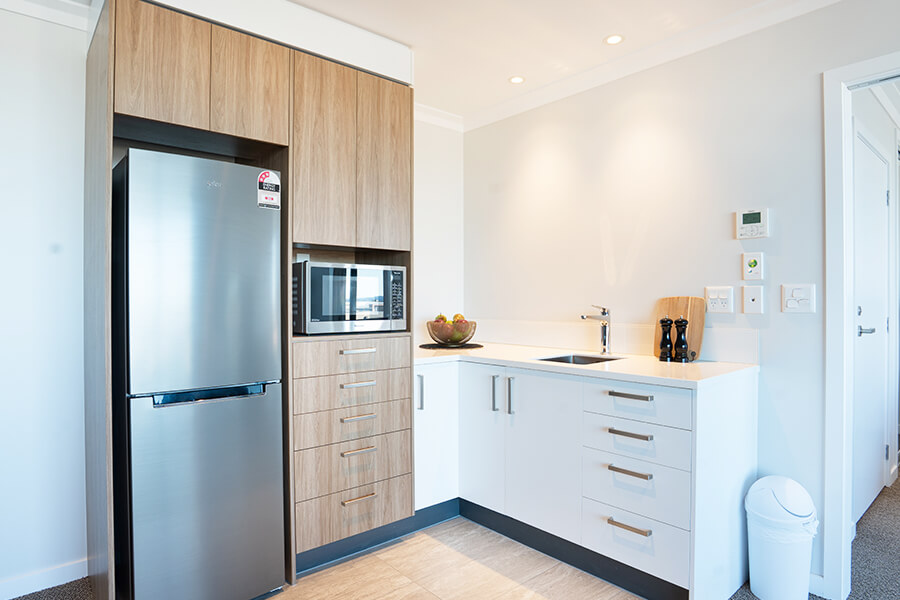
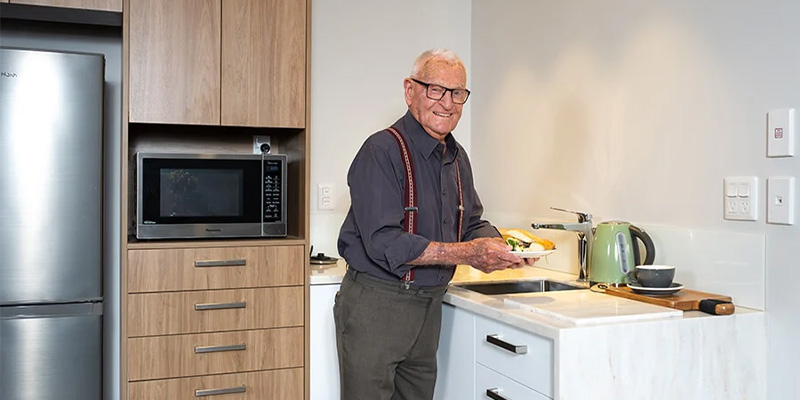
Assisted-living apartments in Ryman villages come with convenient kitchenettes for preparing light meals and snacks.
What’s included in assisted living costs?
Assisted living fees may cover a wide range of services such as:
- Rates, building maintenance and window cleaning
- Electricity, including heating and cooling costs
- Meals (often daily or flexible dining options)
- Personal care support if needed
- Housekeeping and linens
- Social activities and events
- Access to village amenities
- On-site safety features such as emergency call bells and health checks
- Village security patrols
Knowing exactly what is covered by the weekly fee makes it easier for people to budget and reduces the number of separate expenses they need to manage.
Cost of assisted living near me: what affects pricing?
Pricing will depend on several factors:
- Location: is the provider in an urban versus regional area
- Level of care required
- Room type and size
- Amenities such as dining, wellness, and activities
- Provider model and integrated care options
What is the weekly fee for assisted living at Ryman?
To find out the weekly fee for assisted living in a Ryman village near you, visit Find a Village and contact the village you’re interested in, or phone 1800 314 425.
Related articles

Assisted living in a retirement village offers you the opportunity to become part of a friendly and supportive village community.
In-home care costs
In‑home care helps older people live safely and independently in their own homes. Support can range from a few hours a week to daily or even overnight care. This may be government-funded if you meet the eligibility criteria, or you can pay privately.
To access government‑funded care, you’ll need to apply through My Aged Care, the Australian Government’s entry point for aged care services. You can register online or by phone, then complete an in-home assessment. This assessment determines your eligibility and the level of funded support available to you.
Types of in‑home support available
In‑home care in Australia may include:
- Personal care – help with showering, dressing, grooming, and mobility
- Household support – cleaning, laundry, meal preparation, and shopping
- Nursing or clinical care – medication support, wound care, and health monitoring
- Allied health services – physiotherapy, occupational therapy, and other specialist support
- Companionship and social support – help staying connected and engaged
- Transport – getting to appointments, shopping, or social activities
- Respite care – short-term support to give carers a break
- Dementia support – tailored care for people living with cognitive decline
- Palliative care at home – comfort-focused support
- Home modifications and assistive equipment – rails, ramps, and safety aids
What in‑home care costs in Australia
Costs depend on whether care is government-funded or privately paid, the level of care, and how many hours are needed.
- In-home care is usually priced by the hour. Private rates typically range from around $70 to $115 per hour, depending on the services provided and the provider.
- Overnight or live-in care costs vary widely depending on hours and complexity, but can be comparable to the cost of residential aged care on a weekly basis.
- If you qualify for government-funded help, approved services are subsidised, although funding is limited and wait times can apply for non-urgent support.
- If you don’t qualify for public funding, or would like more flexibility or additional hours, private care is widely available.
Key things to know
- Designed to support essential needs rather than lifestyle extras
- May not cover everything you need
- Funding and hours vary based on assessed care needs
- Can be used to supplement government-funded services
- Offers more flexibility, but requires careful budgeting
- Costs vary by region and provider
What does this look like?
A common privately paid scenario –such as personal care and household help a few times a week – can cost around $25,000 to $45,000 per year, depending on the number of hours, provider rates, and level of support. This does not include everyday living costs like food, utilities, rates, or insurance.
Additional costs that may be incurred
Beyond hourly care, in-home care sometimes brings extra expenses such as:
- Home modifications (rails, ramps, bathroom upgrades)
- Increased utilities and home maintenance costs
- Transport to appointments and activities
- The emotional and time cost placed on family carers
- If needs increase, the costs may increase significantly
When in-home care costs more
In-home care tends to work best for lower-level, short-term, or supplementary support. Costs often escalate when:
- Care needs start to increase
- All meals need to be supplied
- Multiple daily visits are required to ensure wellbeing
- Overnight or 24/7 supervision becomes necessary
- The physical and emotional strain placed on family carers becomes too much and help is needed urgently
- It becomes increasingly expensive to maintain the family home
At that point, hourly care can surpass the cost of assisted living while offering fewer built‑in supports. Another thing to consider is that assisted-living residents in Ryman villages have priority access over non-residents to the onsite care centre in the village.

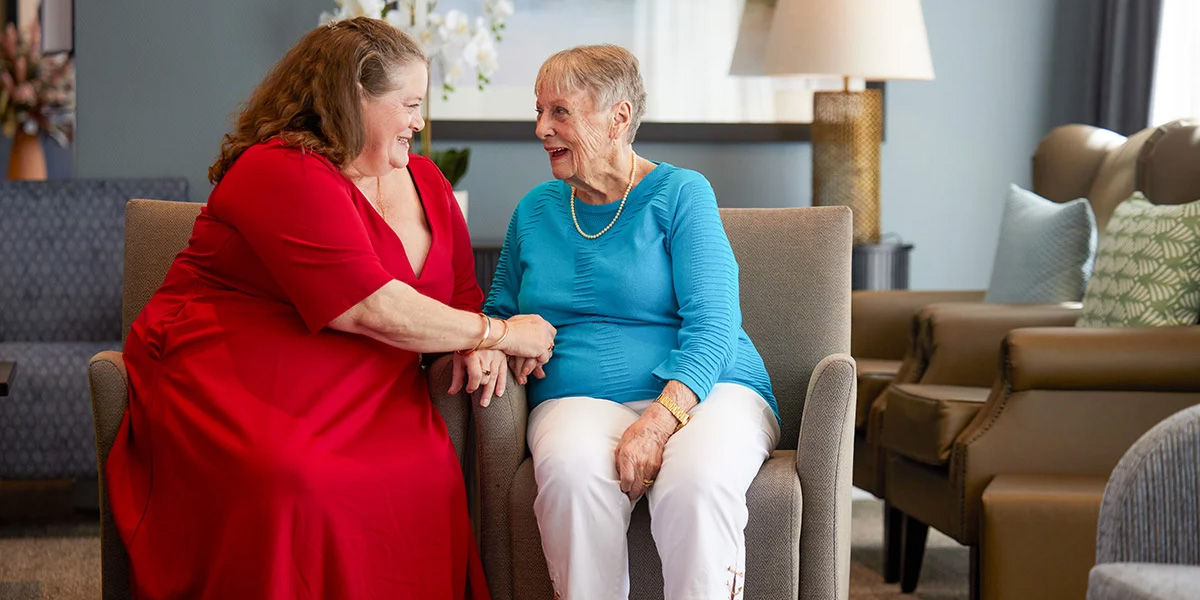
Assisted living residents often opt to receive nutritious meals as part of their service package.
Which option offers better value?
Choosing the right support means finding an option that suits your lifestyle, health needs, and peace of mind, both now and into the future.
Assisted living may offer better value when:
- You want built‑in daily support without the complexity of managing multiple service providers
- Feeling safe and secure has become more important, particularly when neighbourhoods change or the family home doesn’t feel as safe
- You’re feeling increasingly isolated or lonely and would enjoy greater social connection and community life
- You anticipate needing more support in the future and value having priority access to higher levels of care if required
- You prefer the peace of mind that comes with a single, predictable weekly fee covering the services you need
- You don’t want family members to feel responsible for coordinating or providing your care
- Looking after your home and garden was once enjoyable but is now starting to feel like a burden
In‑home care may be the right choice if:
- Your support needs are minimal, short‑term, or unlikely to increase in the future
- Your home is already safe or can be easily modified to suit your needs
- Government‑funded services are sufficient to meet your care and support requirements
- You feel socially connected
- Family members are willing and able to provide additional support if needed

Explore assisted living with Ryman Healthcare
If you’re comparing in-home care vs assisted living cost, why not book a no‑obligation tour of a Ryman village near you to explore assisted living options and ask questions about costs, care, and lifestyle.
Seeing a village in person can make the differences clearer and help you to make up your mind what is right for you.
FAQs
by Christine McCurdy | May 26, 2026
Difference between assisted living and nursing home | Ryman Healthcare Australia
Moving parent to assisted living | Ryman Australia