


If you’re thinking about moving into a retirement village, one of the first things you’ll want to know is what it will cost.
At Ryman, we’re transparent about our costs at every stage, so you know exactly what you’re paying and what you’ll receive in return. Below is an overview of typical costs at a Ryman village, plus a handy list of questions to ask as you look for the right place to spend your retirement.
How do retirement village costs work?
At Ryman, there are three main costs, and everything is agreed upfront:
-
An loan amount that you pay when you buy the right to occupy your home in the village. This is returned to you or your estate when you leave, minus the deferred management fee. Because you’re paying for the right to live in your home rather than purchasing the home itself, there’s no stamp duty.
-
A fixed or flexible weekly fee while you live in the village.
-
The deferred management fee, deducted when you leave. Ryman’s standard deferred management fee is 30% of your entry payment.
Purchasing the right to occupy your new home
If you’ve found a villa or apartment you love in a Ryman village, you can place it on hold for an agreed period. This gives you time to think about your decision, discuss it with your family and get legal advice. To lock in your new home and timeframe, you’ll need to pay a deposit. This is your only payment until settlement.
Settlement (paying the rest of your loan amount) is generally set at 120 days from the date of your deposit payment, but we’ll work to give you as much flexibility as possible because we know it takes time to sell your existing home. We stay in regular contact with you during this period to make the transition as easy as possible.
Living in the village - what you'll pay
When you live in a Ryman village, you’ll pay a weekly fee. It covers everything from rates and garden maintenance to village amenities, such as a pool and a bowling green. It also covers a range of village-run activities.
What happens after you move out
At Ryman, you do not continue to carry the cost of outgoings when you leave your home in the village. Your weekly fee will stop as soon as you move out. This may not be the case for all retirement living providers, so definitely ask about this when you're touring villages and looking at your options.

Four ways your money is protected
Knowing what you'll pay is one thing. Knowing your money is looked after is another. At Ryman, you're protected in four ways.
There are no capital gains or losses, regardless of what happens in the property market. Even if the value of your home falls, you retain the agreed upon value in your contract.
90-day money-back guarantee
Moving is a big step, and we want you to feel sure about it. Our 90-day money-back guarantee gives you that peace of mind. Conditions do apply, and one of our sales advisors can take you through exactly how it works.
We handle the resale costs
When you leave, we manage the resale, and the marketing and processing costs are all covered by the deferred management fee. Because the value of your home is agreed upon in your contract, you'll know exactly what you or your estate will get back.
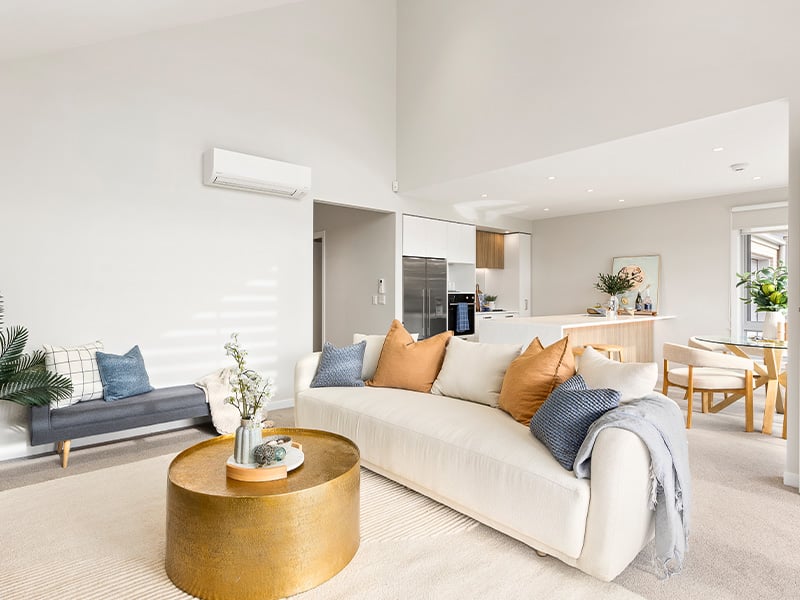
How is buying into a retirement village different from buying a house?
When you buy a house, you pay stamp duty on the way in, selling costs on the way out, and every repair bill in between. If the market drops, that's your problem too.
At Ryman, it works differently. You're purchasing the right to occupy your home in the village and enjoy all the benefits of village living, rather than the bricks and mortar of the home itself. There are several benefits to this:
-
Moving in: There's no stamp duty so you save money upfront.
-
Living in: During your time living in the village community, the village team looks after the upkeep of your villa or apartment exterior (including windows) and gardens to ensure that your home remains beautiful and comfortable.
- Moving out: When you leave, we manage the resale, marketing and processing costs, because that's all covered by your deferred management fee. No agents to find, no negotiating with buyers, and no open homes to tidy up for. That's one less job for you, or your family, to deal with.
Finding the right fit
Villas, apartments or assisted living? Everyone has different preferences and needs, and once you see the options in person, you might be surprised by which one you prefer. It’s always worth touring all the homes available in a village, so you can find the very best fit for you.
But how do people feel once they've made the move?
The best way to get a real feel for village life is to hear from the people who are already living it. Whether you’re thinking about a move yourself or helping someone you care about decide, their experiences can tell you a lot.
Our residents are our best advocates. So, if you know someone who lives in a Ryman village, getting in touch for a friendly chat is a great place to start. Even if you don’t, we’ve gathered plenty of stories about our residents and their lives to give you an idea.
Better yet, come in and tour a village. It’s a great way to get a feel for the atmosphere of the community and the people living there.
Questions to ask when comparing villages
These questions are useful to ask when you're touring villages and comparing your options.
-
Is there stamp duty to pay?
-
Can I choose a fixed or indexed weekly fee?
-
When do my weekly fees stop if I leave?
-
How is the deferred management fee worked out, and when is it deducted?
-
Who manages the resale of my home, and who pays the costs?
-
What happens if property values fall?
-
Is there a money-back guarantee if I change my mind?

Talking money with your family
For a lot of people, the money conversation is a family conversation. You're welcome to bring family along to any meeting with our team, or to a village visit. A second set of ears (and a second set of questions) never hurts.
You'll also need to get independent legal advice before you sign anything.
If your family is doing the research for you, point them here. This page is a good place to get started on understanding the basics, and our team is happy to talk them through the rest.
Talk to the experts
Get easy-to-understand advice from our team, or book a village tour. If you drop us a message below with your enquiry, we'll get someone to give you a call.
If you'd prefer to call us, you can get in touch with us on 1800 314 425.
by Ryman Healthcare | Nov 6, 2026

Questions to ask when choosing a retirement village
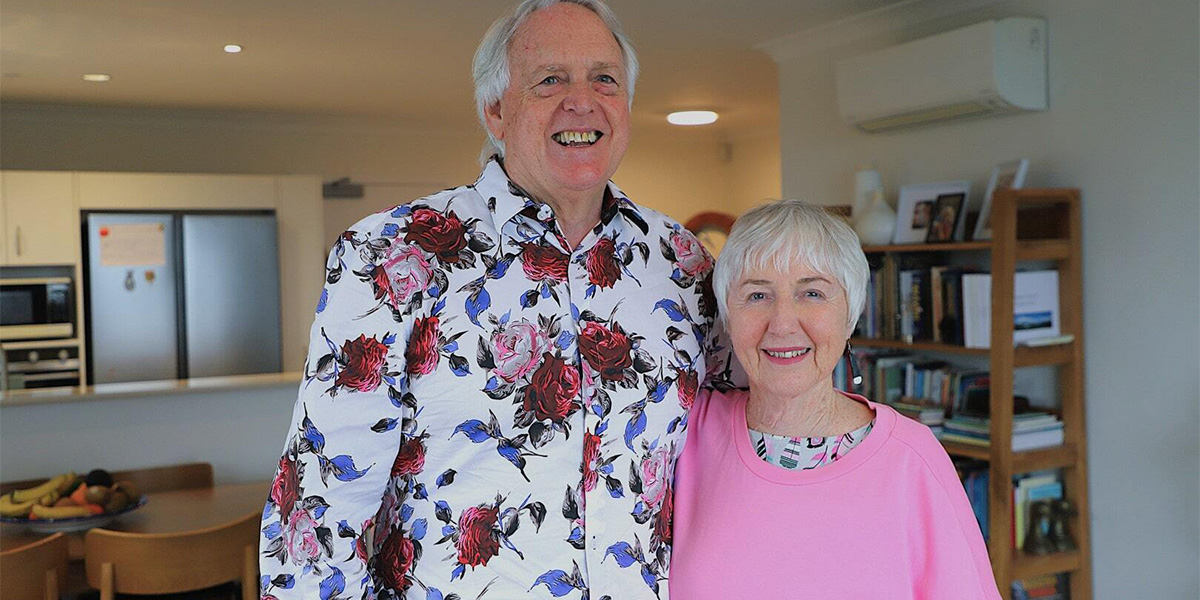
We really love coming home
