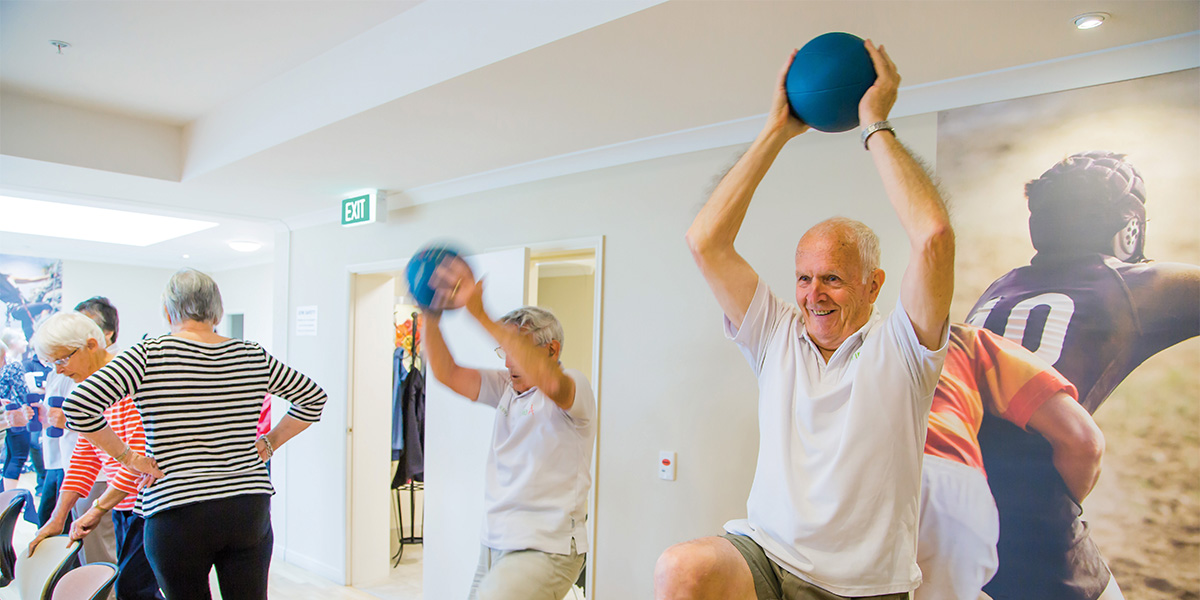

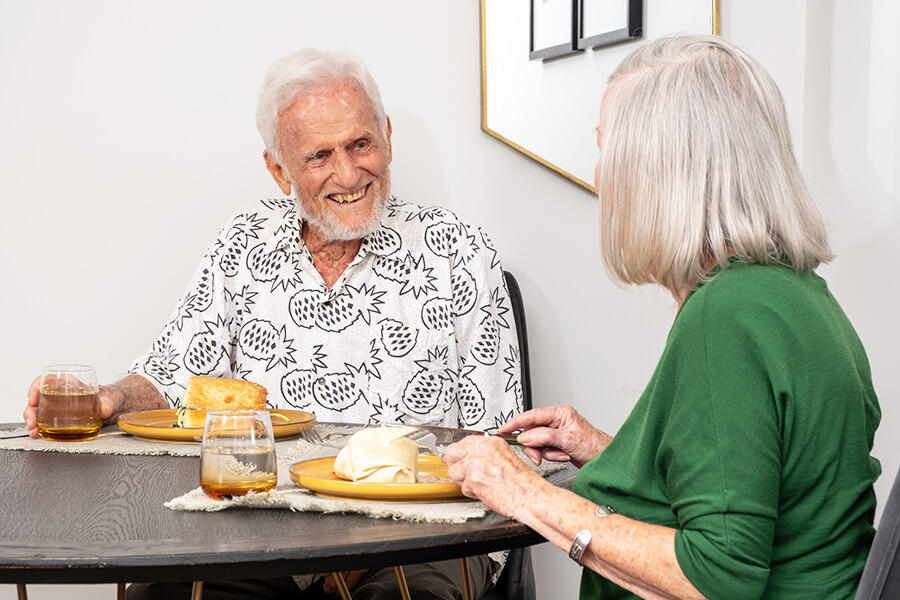
| Breathing exercises for seniors are simple, gentle techniques designed to counteract age-related lung changes, improve oxygen intake, and lower stress. Practised for just 5 to 10 minutes daily, methods like diaphragmatic and pursed-lip breathing support both physical respiratory strength and emotional calm. |
As we age, it’s common to notice changes in breathing. You might feel short of breath more easily, find it harder to take deep, satisfying breaths, or notice that stress affects your breathing more than it used to.
If this is happening, simple breathing exercises can often help support respiratory health. Safe, gentle and easy to do almost anywhere, they have the dual benefits of supporting lung health and helping to create a sense of calm.
Disclaimer: This information is general in nature and does not replace medical advice. These breathing exercises are designed to be gentle and accessible, but if you have any concerns about your breathing or blood pressure, always speak with your doctor or healthcare provider.
Why breathing exercises are important for seniors
Breathing is something we do automatically, but intentional breathing becomes more important with age.
Regular breathing exercises can help to:
- Improve oxygen intake
- Strengthen the diaphragm and support lung capacity
- Support healthy circulation
- Reduce stress and anxiety
- Promote relaxation and better sleep
These exercises can be especially helpful for seniors with reduced mobility or mild respiratory conditions, supporting more efficient breathing and greater comfort during everyday activities.
How breathing changes as we age
As we age, natural changes in the lungs, chest wall and respiratory muscles can lead to a gradual decline in lung function.
By older age, this can lead to:
- Reduced lung elasticity meaning the lungs don’t expand and contract as easily
- Weaker respiratory muscles
- Lower overall lung capacity
- A tendency towards shallower breathing patterns, particularly at rest
These changes can make some people feel more short of breath during activity or less able to take a deep, satisfying breath.
That said, the decline is usually gradual and manageable, and many older adults maintain good respiratory function, particularly when they stay active and practice intentional breathing exercises.
While some reduction in lung capacity is a natural part of ageing, there’s a lot you can do to support and maintain healthy breathing.
Related articles
Resistance band exercises for seniors
Train your brain: simple steps to stay sharp
-1200x800-5b2df79.jpg?width=1200&height=800&name=DCH%20-%20Lifestyle%20Shoot%20-%20April%202025%20(9%20of%2084)-1200x800-5b2df79.jpg)
Best breathing exercises to improve lung function in seniors
Diaphragmatic (belly) breathing
Diaphragmatic (belly) breathing helps you take in more oxygen, strengthens the diaphragm, and encourages deeper, more efficient breathing. It can also ease breathlessness, reduce stress, and support overall relaxation and wellbeing.
How to do it:
- Sit comfortably or lie on your back
- Place one hand on your chest and one on your stomach
- Breathe in slowly through your nose, letting your stomach rise
- Keep your chest as still as possible
- Exhale gently through your mouth
Pursed lip breathing
This helps slow your breathing down and makes each breath more effective, which can ease breathlessness and improve oxygen exchange (the process where your lungs take in oxygen and pass it into your bloodstream and remove carbon dioxide from your body).
How to do it:
-
Breathe in slowly through your nose
-
Purse your lips as if blowing out a candle
-
Exhale slowly through your lips for longer than your inhale
Deep breathing exercise
Deep breathing exercises help expand the lungs and encourage fuller, more efficient breaths, which can improve oxygen intake and support overall lung function. They also help to calm the nervous system, ease tension, and improve focus.
How to do it:
- Sit upright with shoulders relaxed
- Take a slow, deep breath in through your nose
- Hold for a few seconds
- Exhale slowly through your mouth
Rib stretch breathing
Rib stretch breathing helps open the chest and improve lung expansion, making it easier to take deeper, fuller breaths. It can also increase lung flexibility and support better oxygen intake over time.
How to do it:
- Stand or sit upright
- Place your hands on your sides
- Inhale deeply, expanding your ribcage
- Hold briefly, then exhale slowly
Counting breath exercise
Counting breath exercise helps slow and regulate your breathing, encouraging deeper, more controlled breaths. It can also help you relax and improve your focus by giving your mind a steady rhythm to follow.
How to do it:
- Inhale through your nose slowly to a count of 3
- Exhale slowly through your nose or mouth to a count of 4
- Gradually increase your count over time
Tip: Start gently with all these exercises. Consistency is more important than intensity.
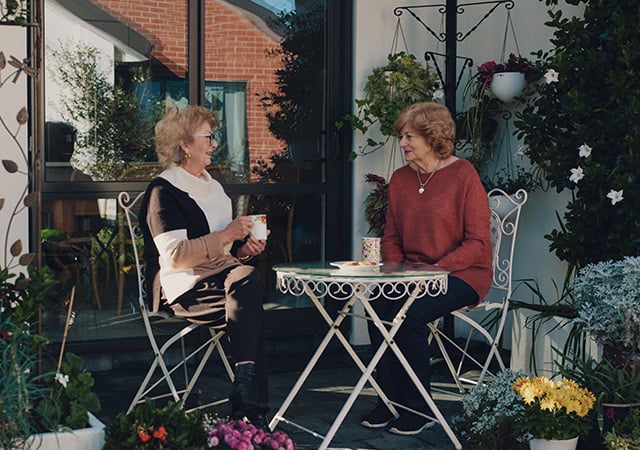
Calming breathing techniques
Breathing exercises aren’t just beneficial for your lungs. They can also calm your mind by activating your body’s natural relaxation response.
Breathing exercises to lower blood pressure may be as helpful as medication in some cases, as reported by Harvard Health Publishing. If you have elevated blood pressure, always consult your doctor.
Slow, steady breathing helps reduce tension and lower stress levels, making it easier to feel more emotionally settled.
| Exercise type | Primary physical benefit | Best time to practice |
| Diaphragmatic (Belly) | Strengthens the diaphragm muscle | Morning (to oxygenate the body) |
| Pursed-Lip Breathing | Relieves acute breathlessness | During physical activity or walking |
| 4-7-8 Technique | Calms the central nervous system | Evening (to prepare for restful sleep) |
Box breathing (4-4-4-4 method)
Box breathing is a simple, structured breathing technique that uses a steady 4-part rhythm to slow your breathing. This helps regulate your nervous system, making it especially useful during moments of stress or anxiety.
How to do it:
- Inhale through your nose for 4 seconds
- Hold your breath for 4 seconds
- Exhale slowly through your mouth for 4 seconds
- Hold again for 4 seconds
4-7-8 breathing technique
The 4-7-8 breathing technique is a simple breathing exercise designed to help you relax, reduce stress, and fall asleep more easily. It’s been called a natural tranquiliser for the nervous system.
How to do it:
- Inhale through your nose for 4 seconds
- Hold your breath for 7 seconds
- Exhale slowly through your mouth for 8 seconds with a gentle “whoosh” sound
Guided breathing with visualisation
Guided breathing with visualisation helps relax your body and mind by combining slow, steady breathing with calming mental imagery, making it easier to unwind or fall asleep.
How to do it:
- Inhale slowly through your nose, visualising calm, fresh air or light entering your body
- Exhale slowly, imagining tension, stress, or heaviness leaving your body
- Continue breathing slowly, building a simple mental image such as ocean waves rolling in and out, a peaceful garden, warm sunlight, or a gentle breeze through trees
Morning vs evening routines
Morning – energise and focus
In the morning, choose breathing techniques that help wake up the body and mind, increase oxygen flow, and improve focus. Slightly deeper or more active breathing patterns such as deep breathing or gentle paced breathing can help you feel more alert, centred, and ready for the day.
Evening – slow down and unwind
In the evening, shift to slower, more calming breathing patterns to help the body relax and prepare for sleep. Techniques with longer exhales, such as 4–7–8 breathing or guided breathing with visualisation, can help reduce tension, quiet the mind, and ease you into a restful state.
For more sleep tips view this article on Insomnia in older adults
When and how often should seniors do breathing exercises?
A little each day can make a big difference. Consistency is more important than duration: even a few minutes of regular practice can support relaxation, breathing, and overall wellbeing.
Aim for 5–10 minutes daily
Short, regular sessions are enough to see benefits. You can start with just a few minutes and gradually build up as it feels comfortable.
Try them at different times of day
Use breathing exercises in the morning to feel more alert, before bed to help you unwind, or during moments of stress or breathlessness to regain a sense of calm.
Build them into your routine
Linking breathing exercises to daily activities, such as after a walk, before meals, or while sitting quietly, can make them easier to remember and turn them into a natural habit.
Safety tips for breathing exercises in older adults
Breathing exercises are generally safe but ensure you listen to your body and go at your own pace.
- Start slowly and avoid overexertion. Begin with short sessions and gentle techniques, building up gradually as you feel comfortable.
- Stop if you feel dizzy or uncomfortable. Lightheadedness can happen if you breathe too quickly or deeply. If this happens, pause and return to normal breathing.
- Sit upright with good support and posture. A comfortable, supported position helps your lungs expand more easily and reduces strain.
- Speak with your healthcare provider if necessary. This is particularly important if you have a chronic respiratory condition, are recovering from illness or surgery, have a heart condition, experience frequent dizziness, or are unsure what’s safe for you.
Breathing exercises in aged care settings
Breathing exercises may be included in aged care wellbeing programs because they're simple, gentle and accessible for people with a wide range of abilities. When practised regularly, they can support both physical and emotional wellness.
Group breathing sessions can also provide a shared activity that encourages social connection and a sense of community.
Breathing exercises may be included as part of a personalised care plan, alongside other activities that support mobility, strength and overall health. By combining physical benefits with opportunities for relaxation and mindfulness, these exercises can contribute to a holistic approach to wellbeing.
Supporting lung health beyond breathing exercises
Breathing exercises are most effective when combined with healthy daily habits. Small, consistent choices can help support your lungs and overall wellbeing.
- Stay active: Light activities such as walking or stretching help keep your lungs working well and support circulation.
- Drink enough water: Staying hydrated helps keep airways moist and can make it easier to clear mucus from the lungs.
- Maintain good indoor air quality: Fresh air, good ventilation, and minimising dust or irritants can help reduce strain on the lungs.
- Eat a balanced diet: Nutritious foods support overall health, including the muscles used for breathing.
Small daily habits, big benefits
Breathing exercises are simple, accessible and empowering. They don’t require special equipment, and they can be done almost anywhere. A few mindful minutes each day can support your independence, comfort and overall wellbeing.
At Ryman, we take a holistic approach to health – supporting residents to stay active, engaged and feeling their best through our complimentary and highly beneficial Triple A exercise program, a calendar of activities and events to pick and choose from, healthy home environments, nutritious food, and community wellbeing initiatives.
If you’d like to learn more about our approach to health and wellbeing, you can call us on 1800 288 299 or enquire online.
FAQs
by Christine McCurdy | Aug 10, 2026

Balance exercises for seniors | Ryman Australia
Anxiety in older adults