


Choosing a thoughtful gift for someone living with dementia can sometimes feel challenging. You want it to be meaningful, yet it isn’t always easy to know what will be comforting or appropriate at different stages of the condition.
As dementia progresses, the types of gifts that feel supportive may also change. They don’t have to be costly – often, the most appreciated gifts are simple things that offer reassurance, spark happiness, or help the person stay connected to the people, places, and memories that matter most.
Gift ideas for someone with early dementia
In the early stages of dementia, many people continue to enjoy their usual hobbies, routines, and social connections. At this point, gifts that encourage independence, support memory, and keep the person engaged tend to be the most useful.
Here are some ideas to consider:
- A personalised photo calendar – Put together a calendar featuring photos of family, favourite pets, or familiar places. It’s practical, comforting, and helps keep loved ones top of mind.
- A daily memory journal – Memory journals can include prompts such as How I felt today, People I spoke to, and What I did today. Alongside the date and day of the week, these cues can help with reflection and routine.
- Voice-activated music or audiobooks – Devices with tricky buttons or menus can become frustrating. Smart speakers or voice‑assistant devices make things easier by responding to simple requests like “Play some music I love,” or “Read me a story.”
- A digital photo frame – Load it with family snapshots, landscapes, or short video messages. A rotating display of familiar faces can spark recognition and encourage conversation. Some models can be updated remotely, making it easy for family to add new photos from anywhere.
- Large print puzzle books – Puzzles are great for cognitive stimulation, but standard books can feel cluttered or hard to see. Large‑print versions with clear layouts and simpler instructions are more accessible and enjoyable.

Keeping a daily memory journal can be a helpful way for someone living with dementia to stay connected to their thoughts, routines, and experiences.
Birthday gifts for people with dementia
Birthdays are a wonderful opportunity to honour someone’s life and create moments of joy. For people living with dementia, the most meaningful birthday gifts are those that feel familiar, personal, and reassuring.
Ideas to consider:
- A personalised storybook – A customised storybook that celebrates the person’s life, complete with treasured photos and memorable anecdotes, can be a beautiful keepsake.
- A memory box – Fill a sturdy box with small, sentimental items such as old postcards, medals, costume jewellery, vintage toys, or travel souvenirs. This can be especially meaningful for someone who enjoys reminiscing.
- Shared activities – Offer the gift of connection by choosing something that encourages time spent together. Large‑print card games, simple puzzles, or activities designed for two can be enjoyable for both the person and their family or caregivers.
- Make their favourite cake or treats – Food has a unique way of unlocking memories. A homemade cake in their favourite flavour, or a treat they loved in their younger years, can be a delicious way to spark conversation.
- A photo collage – Create a visual timeline of their life, featuring special moments with family, friends, pets, and important events. Displaying it in their room can help spark recognition and provide a lovely talking point with visitors and carers.
- Jigsaw puzzles and adult colouring books – These activities can be completed independently or with support. They offer a calming, purposeful way to spend time and can be tailored to suit different ability levels.
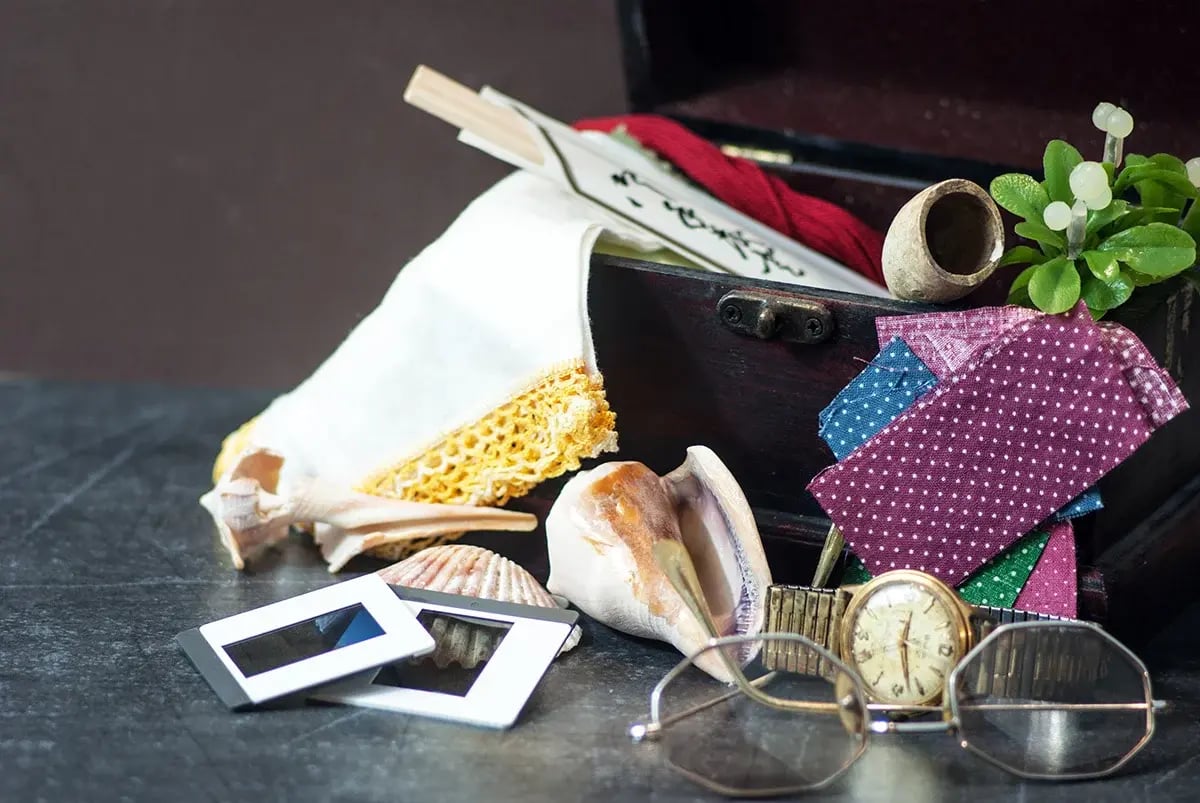
A memory box filled with items that hold personal meaning or spark interest for the person living with dementia.
Christmas presents for people with dementia
The festive season can sometimes feel overwhelming, so it’s often best to choose Christmas gifts that are simple, comforting, and familiar.
A few festive gift ideas:
- Christmas T-shirt – A soft festive T-shirt is ideal for an Australian summer Christmas while adding a cheerful seasonal touch. Opt for gentle, easy‑care fabrics that feel comfortable against the skin.
- Familiar Christmas music – Music is a powerful way to trigger happy memories. A basic music player or voice‑activated device loaded with their favourite carols or classic Christmas songs from earlier years can bring back fond moments from past celebrations.
- Personalised tree ornaments – Custom ornaments featuring family photos, names, or meaningful symbols can be hung on the tree together. It’s a simple shared activity that can feel grounding and joyful.
- Mini tabletop tree – A small tree that’s easy to decorate can bring festive cheer without the sensory overload of a full‑sized one. Choose soft lights and lightweight decorations – or pair it with personalised ornaments for an extra special touch.
- Traditional recipe book – A collection of family‑favourite recipes or classic holiday treats can make a thoughtful gift. It’s especially meaningful when paired with a relaxed baking session and some taste testing.

Gifts for mid to late-stage dementia
As dementia progresses, sometimes the person may sleep a lot more. At this stage comfort and sensory stimulation are most important. The best gifts are those designed to soothe, calm, and connect.
Some comforting options:
- Weighted blankets – Weighted blankets offer gentle, even pressure that can help ease anxiety, support relaxation, and encourage better sleep. They can be particularly useful for someone who experiences restlessness or agitation. It’s important to choose a blanket suited to the person’s size and strength – heavier blankets may be difficult for older adults to move off their legs, arms, or chest. Always check the weight before buying and seek advice if you’re unsure. Make sure the person can remove the blanket themselves if needed, and choose one that’s simple to clean.
- Fidget quilts and tactile cushions – Also known as sensory lap quilts, these items are designed with different textures, zippers, buttons, ribbons, and other safe elements to keep hands gently occupied. They can help reduce stress and provide calming sensory feedback.
- Weighted baby dolls or animals – These soft, weighted companions can offer emotional comfort and a sense of security. For some people, they may evoke nurturing feelings or memories of pets or children. Consider their preferences such as whether they’ve always loved cats or dogs. However, if there’s a history of trauma relating to babies or animals, this type of gift may not be suitable.
- Scented pillows or aromatherapy – Calming scents such as lavender, rose, citrus, or vanilla can help soothe and settle. Aromatherapy pillows or gentle diffusers can be incorporated into rest periods or bedtime routines.
- Analogue talking clock – These clocks combine a traditional, easy‑to‑read clock face with clear spoken time announcements. This can help someone with dementia orient themselves and feel more grounded throughout the day.
Things to keep in mind when choosing weighted items
Take it slow. Introduce the item gently – it may take several tries before the person feels comfortable using it. Sometimes they’ll accept it one moment and set it aside the next. Try again later when they’re calm, offering reassurance and support.
Watch their reactions. Positive signs include smiling, relaxed posture, or a sense of calm. If the person appears distressed or tries to remove the item, it may not be the right moment to introduce it.

Gifts can have a positive impact
No matter the occasion, the most meaningful gifts for someone living with dementia are those that express love in a way they can still recognise and enjoy. Especially in the later stages of the condition, it’s less about the gift itself and more about the comfort, connection, and positive feelings it brings.
How Ryman can help
At Ryman, we’re here to support residents and their families through every stage of the dementia journey.
To find out more, you can make an enquiry here or call us on 1800 288 299.
.webp?width=1200&height=800&name=BNE%20-%20Ginny%20Denis%20-%20Care%20Centre%20-%20April%202025%20(22%20of%2042).webp)
Frequently asked questions
by Christine McCurdy | Jan 19, 2026
.jpg)
Changing the conversation around dementia

How to have an epic retirement