<img height="1" width="1" style="display:none" alt="Ryman-facebook" src="https://www.facebook.com/tr?id=1017783349543426&amp;ev=PageView&amp;noscript=1">
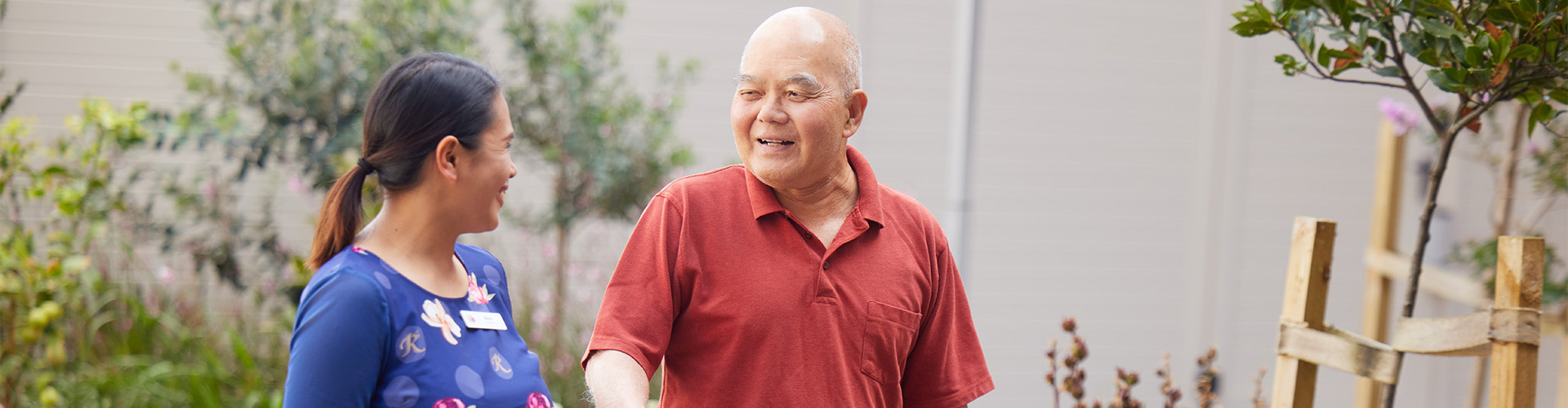
Dementia 1920x500

Specialist Dementia Care in Melbourne

Ryman villages have always pioneered what it means to live life well in retirement - and our approach to dementia care in Melbourne is no different.


Many Melbourne families will be affected by dementia at some point, whether directly or through someone they love. That’s why Ryman has invested years into researching and developing our bespoke model of dementia care, myRyman Life — a personalised approach designed to support each individual’s wellbeing, comfort and sense of familiarity.

Across our Melbourne locations, we create safe, secure and welcoming environments where people living with dementia can feel supported and understood every day. Our specialist teams focus on building meaningful connections, maintaining routines, and delivering care that adapts as residents’ needs change.


We believe great dementia care takes more than clinical expertise — it takes a community. That’s why our Melbourne villages are built around connection, compassion and continuity of care, helping residents feel at home while giving families confidence and peace of mind.


Ryman residents aren’t defined by dementia, they’re supported to live fulfilled lives

Private care rooms

Dementia care rooms in our Melbourne villages are designed to be safe, comfortable and easy to navigate, helping residents feel relaxed and at home.

Each room is spacious and includes a private ensuite* and television, with plenty of room for family and friends to visit and spend meaningful time together.

Residents can choose from a range of room layouts, with many offering views across beautifully landscaped gardens or secure courtyards — creating a calm and familiar environment every day.

*Room features and layouts may vary by village.


Our specialist teams

Our dementia care teams in Melbourne receive specialist training to support residents living with dementia in a positive, respectful and therapeutic way.

Where possible, each resident is supported by a consistent primary caregiver. This helps build trust, reduce anxiety, and create a familiar daily routine — something especially important for people living with memory loss.

By getting to know each resident personally — their preferences, history and needs — our teams deliver care that feels more individual, reassuring and connected every day.


Living spaces

Our dementia care centres in Melbourne are thoughtfully designed to be easy to navigate, supporting independence while reducing confusion and anxiety.

Residents have access to secure, tranquil outdoor areas that are carefully landscaped to feel familiar — much like a garden at home — providing a calming space to relax, walk and connect with others.

We also incorporate subtle cues, clear signage and intuitive layouts throughout each community to support memory and orientation, helping residents feel more confident and comfortable in their surroundings.


“Our care companion model is about mimicking what a resident would do at home. We do baking, knitting and gardening activities, and it’s about little groups of care so it’s personalised”

Pooja Karan, Ryman Unit Coordinator – dementia care

Dementia page 1.jpg_width=900&height=450&name=Dementia page 1

myRyman Life

Our award-winning myRyman Life dementia model aims to challenge perspectives on dementia. We create inclusive communities where residents can thrive, families can feel reassured, and staff receive cutting-edge training. It’s about supporting residents to continue doing the things that bring them joy so they can live fulfilled lives. 

The myRyman Life model of dementia care places an individual at the heart of their care, ensuring their personal preferences, history, cultural background and health needs inform every decision made about the treatment and services they receive.

The model offers a holistic approach whereby a person is so much more than their dementia diagnosis and an emphasis is put on celebrating and enhancing what a person living with dementia can do, rather than what the cannot. This inclusive approach enables residents to continue doing what brings them fulfillment while fostering reassurance for families.


LEARN MORE

Questions about dementia care

Dementia care is specialised support provided to people living with dementia – a condition that affects memory, thinking, behaviour, and the ability to perform everyday tasks.

Dementia is a term that encompasses a range of conditions, including Alzheimer’s disease, vascular dementia, and Lewy body dementia. As dementia progresses, people may require increasing levels of assistance. At Ryman, we focus on maintaining quality of life, ensuring safety, and supporting the emotional and physical wellbeing of all residents living with dementia.

There are several types of dementia care available in Melbourne, ranging from in-home support through to specialist residential care. As needs progress, many families choose structured care environments that provide safety, routine, and 24/7 support.
  • In-home care: Personalised support provided in the comfort of the person’s home. This can include help with daily activities, medication management, and companionship. Many Ryman residents living with less advanced dementia continue to live independently in the village with a little extra help.
  • Adult day programs and respite care: Structured daytime care offers social interaction, cognitive stimulation, and respite for caregivers. Short-term respite care is often for a few days to a few weeks and gives family caregivers a break while ensuring their loved one is safe and supported.
  • Residential and memory care: Dedicated environments designed specifically for people with dementia, offering secure settings and trained staff. Ryman dementia care centres offer safe, easy-to-navigate living spaces with tranquil outdoor areas and memory-supportive design features.
  • Hospice and palliative care: This type of care focuses on maximising comfort and quality of life during the later stages of dementia.

People living with dementia often need additional care and support as their condition progresses. Knowing when the right time is to support someone living with the condition to transition into care can be difficult. There are a number of signs and considerations which can indicate when the timing may be right for specialised dementia care.

Behavioural Changes 

The early signs of dementia can be subtle and present in ways unique to the person experiencing them. You may notice a person is confused during everyday tasks, has difficulty remembering recent events, grasps for simple words, gets lost in their own neighbourhood or displays increased levels of aggression. These changes can indicate that a person would benefit from the support of a more structured and specialised environment.  

Safety Concerns 

If a person living with dementia is having difficulty with everyday tasks such as taking regular medication, experiences frequent falls, or is prone to wandering in unsafe areas, a specialised dementia care facility may be the safest environment for them.

Caregiver burnout

Caring for someone living with dementia can be increasingly difficult as their condition advances. These challenges can be intensified if the caregiver is experiencing their own health difficulties or faces aggression and outbursts from the person they are caring for. It can reach a level where living in the family home is no longer the safest option for the caregiver or the person living with dementia.

Medical Needs

Like behavioural changes, the medical needs of a person living with dementia are unique and will change over time. A person may experience movement and balance difficulties, trouble eating and swallowing and loss of control over their bladder and bowel. Often the medical needs of someone living with dementia will present at the same time as other physical changes associated with ageing. In specialist dementia care environments medical staff are always on hand to manage complex needs, ensuring necessary care and support is provided.

Social Isolation

People living with dementia can experience social isolation as reduced cognitive function can make it difficult to connect with friends and family. People may become distant following a dementia diagnosis or presentation of symptoms. A care environment can offer a supportive community, where activities and interactions are designed to meet the needs of cognitive impairment, offering meaningful opportunities for a person living with dementia to engage with others

Communication Difficulties

Changes in the way a person living with dementia communicates are common and can be distressing for the affected person and those in their life. You may notice the impacted person finds it difficult to remember a word, has difficulty expressing emotions, experiences changes to reading and writing skills or has difficulty interpreting what is being said. Staff specialised in dementia care are trained to communicate with a person living with a dementia in a way that minimises confusion and distress and encourages the person to express themselves in a way they feel most comfortable.

When a person is diagnosed with dementia it can be difficult to know how best to support them while encouraging them to retain autonomy and independence. Cognitive decline, including loss of memory, speech and decision-making skills, often associated with a dementia diagnosis, will present at differing times and to differing degrees for each individual. Specialised dementia care environments focus on the unique needs of a person living with dementia and provide tailored treatments by professionals including dietitians, physiotherapists and speech therapists to support a person to live well with their diagnosis.

There are a number of things family members and caregivers can do to support a person living with dementia. 

Understanding Dementia

Dementia is a general term used for symptoms which present as a result of disorders impacting the brain, rather than one specific disease. While there are various forms of dementia, the most common types are Alzheimer’s disease, Vascular dementia, Lewy body disease and Frontotemporal dementia. It is important to speak with a person’s doctor and medical specialists to learn about the specific type of dementia your loved one is experiencing. Medical professionals can help you to understand the progression, symptoms and challenges associated with different kinds of dementia which is integral to ensuring the person living with dementia receives informed and compassionate care.

Patience and Empathy

Patience and empathy are essential to the provision of good care. Supporting someone living with dementia can be extremely challenging as cognitive changes create unpredictable behaviours, aggression, and other emotions in a person. It is important to seek support and recognise that a person’s actions may be a response to confusion or frustration rather than an intentional attempt to upset you.

Effective Communication

When communicating with someone living with dementia it can be helpful to consider how you would feel if you struggled to communicate and what would help to put you at ease. While every person’s experience with dementia is unique, the use of verbal and non-verbal cues including eye contact, smiling, and nodding can assist with communication. Use clear and simple language, introduce one idea per sentence, be patient and allow time for a person to express themselves. It can be helpful to ask questions that require a ‘yes’ or ‘no’ response and to explain the relationship someone has to the person living with dementia when discussing a person who is not present.

Establishing Routine

Living with dementia can be a frustrating and confusing experience as cognitive changes make it difficult for a person to understand their diagnosis. Creating a routine can help to reduce stress and uncertainty. A routine offers familiarity in activities and schedules, enhancing a person’s sense of stability and confidence to interact with others and complete tasks.

Fostering a calm environment

A quiet living environment with familiar items including photos of people important to the person living with dementia, minimal clutter, and visuals ques like posters to orientate a person can significantly reduce stress. Supportive environments will enhance quality of life and independence for the person living with dementia.

Respecting Personal Preferences

As the cognitive impacts of dementia progress, a person’s ability to make their own decisions can be greatly impacted. This can result in a sense of a loss of self and independence. It is important to respect a person’s decisions and preferences whenever possible, even when it comes to something minor such as choosing what to eat for lunch. Including your loved one in the decision-making process ensures they can retain a sense of autonomy and dignity and their needs remain the key priority of the care they receive. Person-centered care considers a person’s cultural background, social and family connections, life history and interests to deliver optimal individualised care.

Family and caregiver self-care

Caring for a person living with dementia can be a privilege. However, it can also be a stressful, isolating and upsetting experience. Well-supported caregivers and family members are better equipped to be able to help a loved one living with dementia. Specialist dementia care and respite care can provide important opportunities for caregivers to rest and recharge and for a person living with dementia to have different social interactions. Specialist dementia and respite care can make a world of difference for individuals and families.
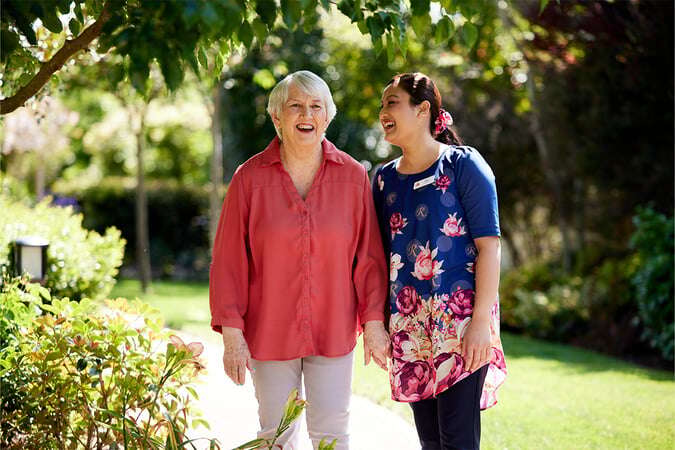
Living in a secure dementia unit is different from assisted living. Dementia care homes, called specialist dementia care units within Ryman villages, are specifically designed to support people with dementia within the village community.

Our secure dementia care units make it easier for residents living with dementia to orientate themselves and to continue doing things they have always done.

Assisted living apartments are for people who live independently and have no problem orienting themselves but need a little extra support to make life easier, such as housekeeping and some meals. Residents choose the level of support that works for them and are free to come and go to and from the village as they please. 

When looking for a care home for someone living with dementia, choose one that offers specialist dementia care which takes the person’s unique personality and needs into account. Safety, accessibility, food, and activity preferences are all important.

Understanding the needs of the person with dementia 

A person’s levels of resilience, life experiences, support network, and how far their dementia has progressed will contribute to how dementia impacts their daily life. Every person living with dementia has a unique set of needs.

At Ryman we engage and communicate with each person on an individual level, supporting them to continue participating in the aspects of life that bring them happiness. For example, it could be spending time outside in a secure garden area, the company of a care companion, or engaging in hobbies they’ve always enjoyed.

Take a personalised tour 

If you’d like to tour a Ryman specialist dementia care unit, ring the village or fill in the form below to request an appointment to take a tour and meet some of our specialist dementia care team members. We’ll spend time with you and answer any questions that you have. It’s also a great idea to bring a checklist of questions with you.

BOOK A TOUR

In Australia, people typically pay for dementia care through a combination of government subsidies and personal contributions, depending on their financial situation and the type of care they receive. 

  • Government support: The Australian Government can provide substantial financial assistance to make dementia care more affordable for those who are eligible to receive a subsidy.
  • Personal contributions: Even if you receive a subsidy, you may need to contribute to the cost of your care. This will depend on your income, assets, accommodation, and the level of care required.
  • Find out more: To learn more about support you or a loved one may be entitled to, we recommend getting in touch with your local Ryman village manager or filling out the form below.

Contact us

If you’d like to speak to your local Ryman village manager or dementia care team, fill out the form below and we will be in touch.

Your guide to aged care


Experience care in a Ryman village


GET YOUR FREE GUIDE

Ryman guides

Our set of guides is designed to introduce you to life at Ryman, showcase our independent and assisted living options, and give clarity around the costs.

GET YOUR GUIDES

Get in touch


Contact us with your enquiry


CONTACT US